
Welcome to Farmgate Nigeria
Your non-stop access to all sort of farm gadgets at farmgate prices
Your non-stop access to all sort of farm gadgets at farmgate prices
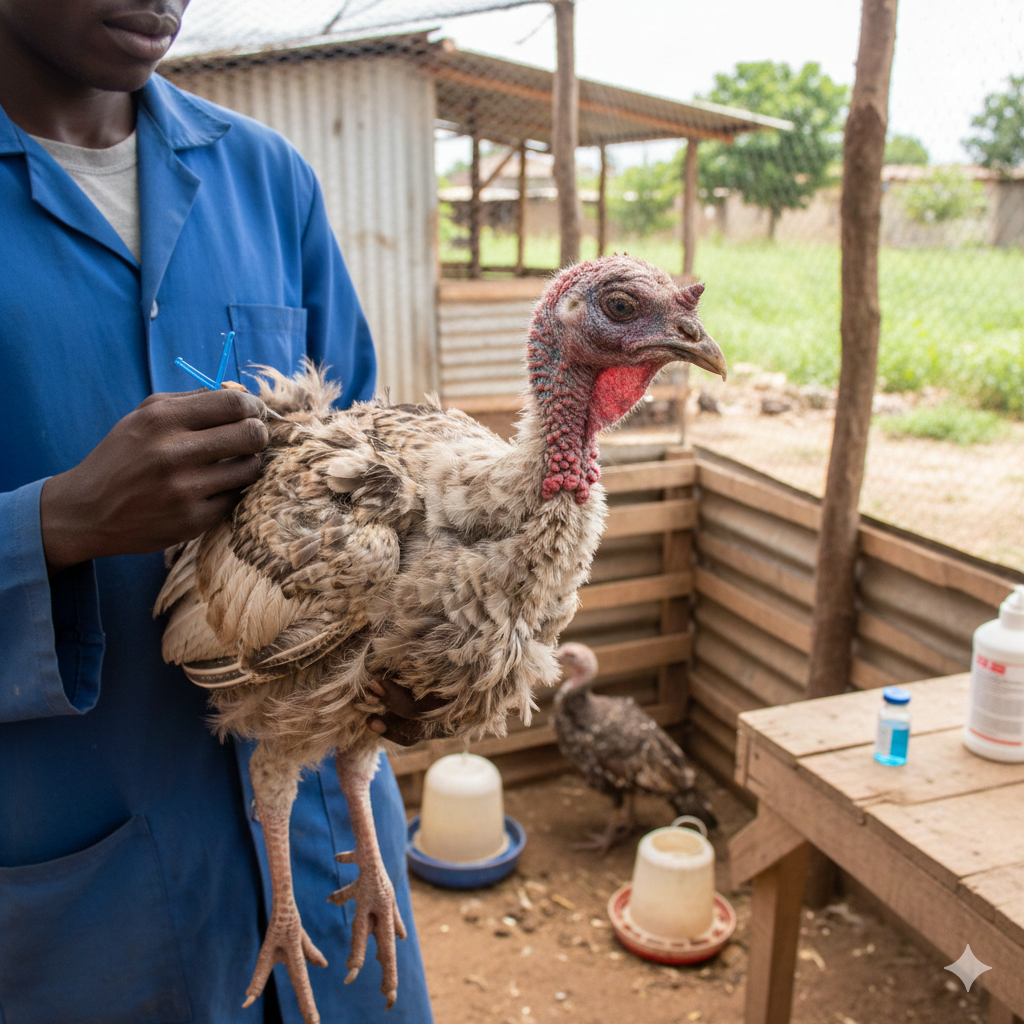
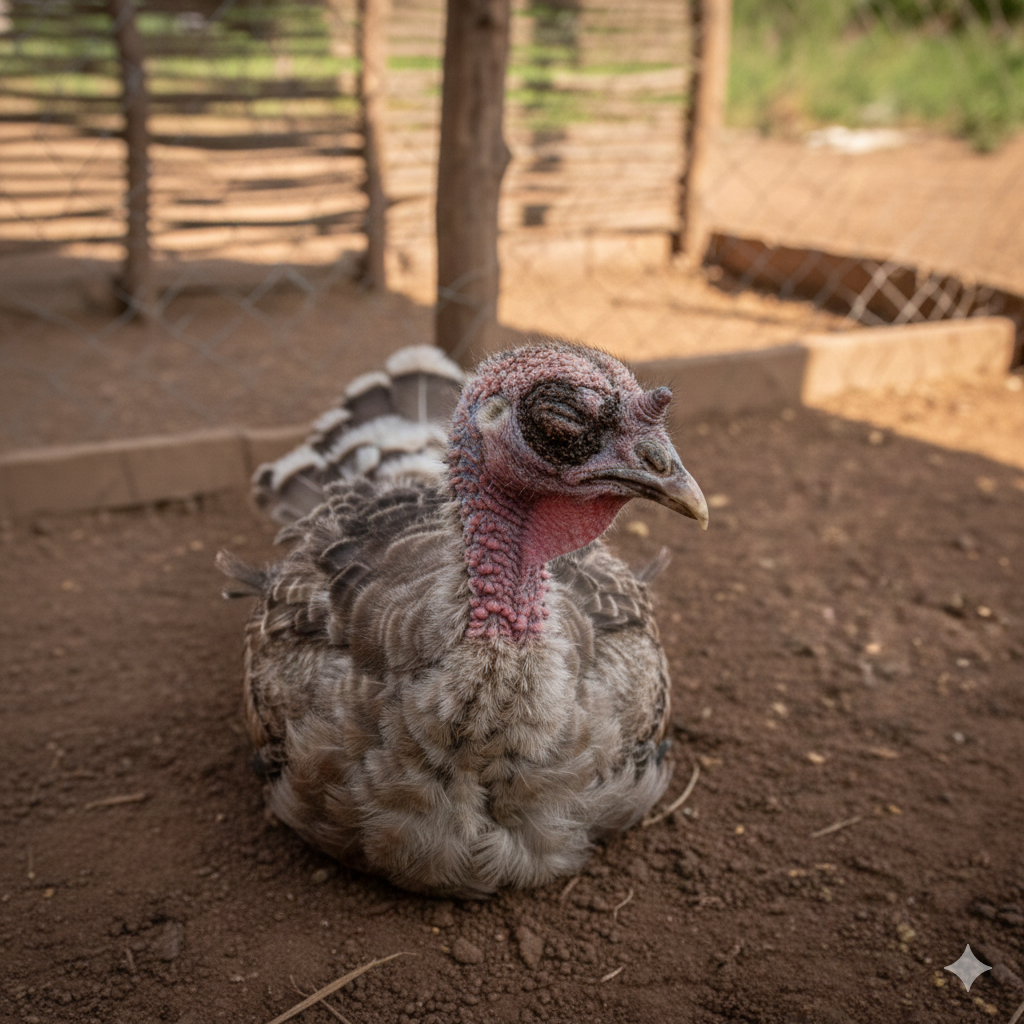
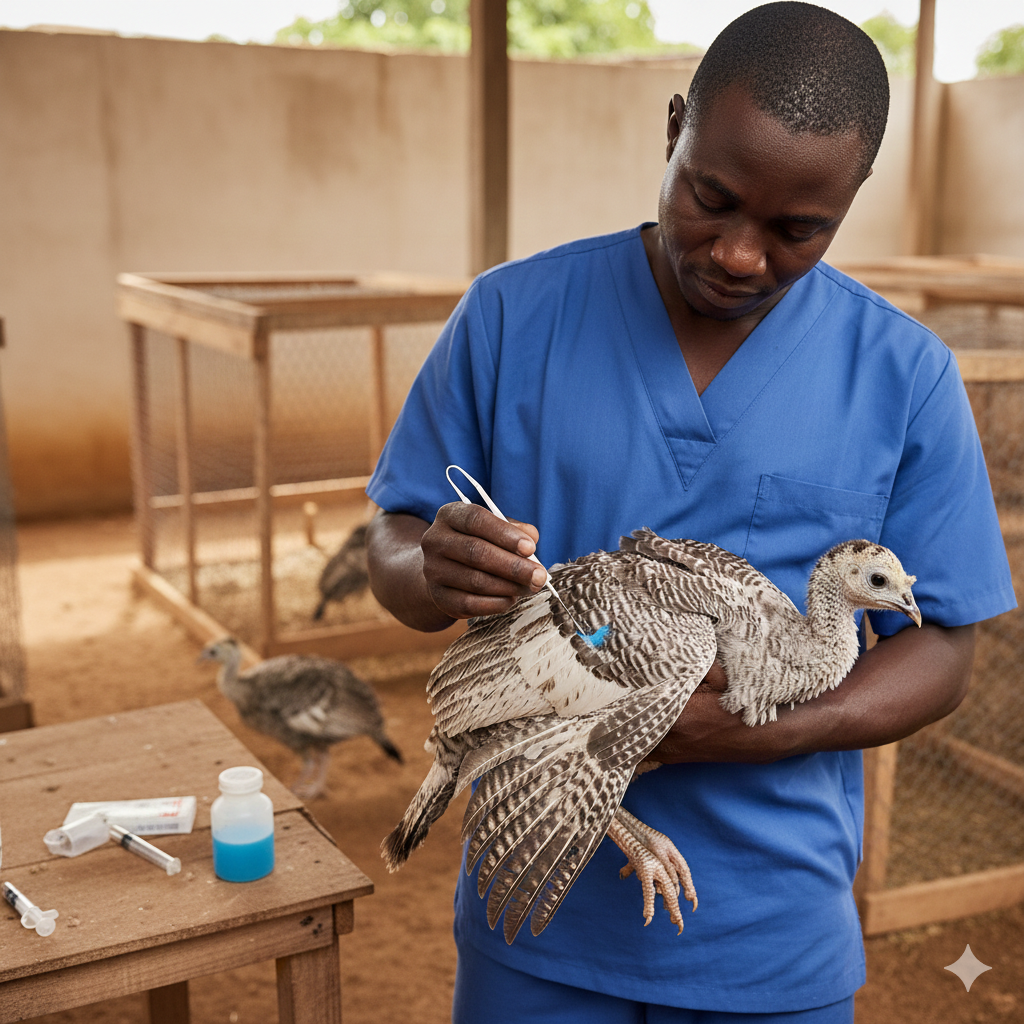
Over the years, I have gained hands-on experience raising local domesticated turkeys (Meleagris gallopavo), and one of the most important lessons I have learned concerns disease management—especially a particular infection that is extremely deadly to turkeys if not properly controlled. The Most Deadly Disease in Turkey Production. From my observations, there is a specific infection that I consider the most lethal disease in the entire life cycle of turkeys, once it becomes established on a farm. This disease commonly appears when turkeys are between 5 and 10 weeks old. In severe outbreaks, it is capable of wiping out almost an entire flock. Out of every 100 infected birds, as many as 97 may die, while the few survivors often develop strong immunity against future infections. What Is the Name of This Infection? The disease is known as Fowl Pox. Signs and Symptoms of Fowl Pox in Turkeys. Fowl pox in turkeys often begins with swelling around the eyes. At the early stage, the affected tissues show clear signs of inflammation. As the disease progresses, the swelling continues to grow until it may completely cover the eyes, leading to partial or total blindness. Infected turkeys usually show signs of severe discomfort and stress. At this advanced stage, no medication or vaccine can guarantee a cure, and losses are often inevitable. Interestingly, in other poultry birds such as domestic chickens (Gallus gallus domesticus), fowl pox is usually less deadly and may only cause slow growth or temporary setbacks. However, in turkeys, the disease is far more aggressive and devastating. Is Fowl Pox Preventable in Turkeys? The simple answer is yes—fowl pox is preventable through proper vaccination. Recommended Vaccination Schedule for Turkeys. To protect your turkeys from fowl pox: At 4–5 weeks of age: Administer the first dose of the fowl pox vaccine At 7–8 weeks of age: Administer the second (booster) dose When these steps are correctly followed, turkeys can develop strong immunity against fowl pox infection. How Is the Fowl Pox Vaccine Administered? The vaccine is administered using a wing-web method: 1. A special vaccination needle (or jab) is dipped into the vaccine solution 2. The needle is used to gently pierce the web of one wing 3. The same procedure is repeated on the other wing Once this is done, the vaccination process is complete. For more guidance on turkey vaccination procedures and disease prevention, feel free to contact me.
product's location: Ibadan
submitted by KOYE 08038278076No reviews yet.
koye:
Second part is coming soon